
 An illustrated travel map
Ancient Linzi and the Qi Culture Museum 临淄齐国故城Línzī Qíguó Gùchéng
Qi's capital: city ruins, a chariot-and-horse burial pit and cuju history
- Best time
- Apr–Jun, Sep–Oct
- Time needed
- Half a day
- Days to budget
- Half a day
- Stay in
- Zibo
- Region
- Shandong
- Type
- Heritage
- Listed as
- 4A scenic area, National heritage site, First-grade museum
Why go to Ancient Linzi and the Qi Culture Museum
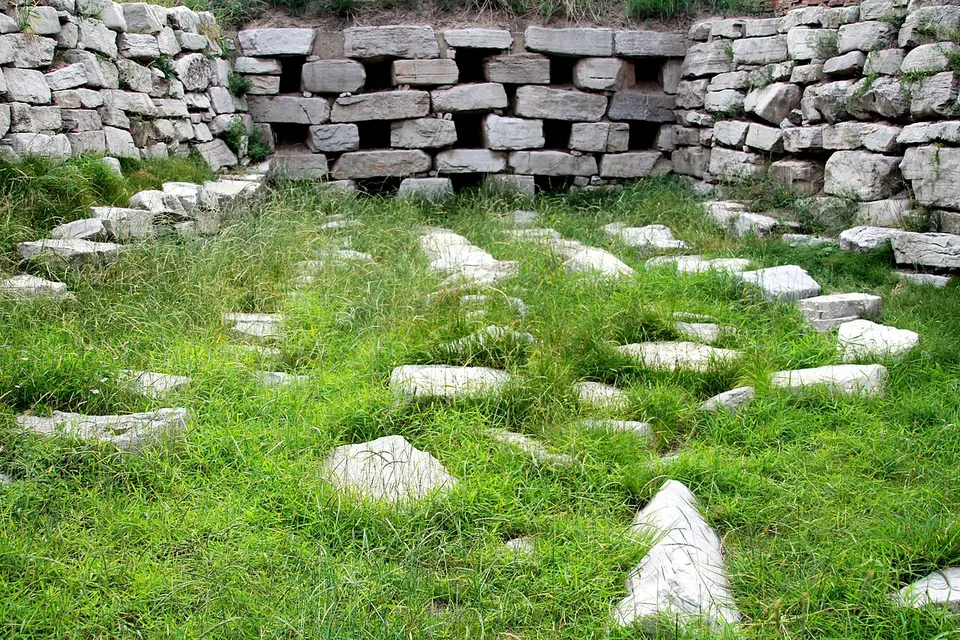
Linzi was the capital of the state of Qi for centuries, and its ruins in Qidu town cover about 15 sq km, with a large city and a smaller palace city at its south-western corner. Stretches of rammed-earth wall still stand, the remains of the 14 m-high Huangong platform mark the old palace area, and a drainage-outlet site shows the culverts that carried water out under the wall. The Qi Culture Museum and, a short drive away, the Ancient Chariot Museum with its underground burial pit bring the finds from the city and its tombs together.
The story
Linzi was one of the great cities of the Zhou-era states, and the Warring States text Zhan Guo Ce lists cuju, an ancient kicking-ball game, among the pastimes of its people; the Jixia Academy, a gathering of scholars patronised by Qi's rulers, is also linked with the city. Linzi today promotes itself as the home of cuju and football culture, and its museum has a football hall.
What to see at Ancient Linzi and the Qi Culture Museum
- Qi Culture Museum 齐文化博物院: The best start: a large museum that traces Qi from pre-Qi cultures through the Western Zhou, Spring and Autumn and Warring States periods to the Han, with a stone-carving hall and an animal-shaped bronze zun among the showpieces.
- Football Museum 足球博物馆: A hall in the museum complex on cuju and the history of football, with balls and relics; it is where Linzi tells its football story.
- Huangong platform 桓公台: The remains of a 14 m-high rammed-earth platform in the palace city, the best-known marker of the old palace area.
- City wall and drainage outlet 城墙与排水口遗址: Sections of the rammed-earth wall still stand, and an archaeological site at one drainage outlet shows the culverts that carried water out under the wall.
- Ancient Chariot Museum and burial pit 中国古车博物馆: Built over a Spring and Autumn chariot-and-horse burial pit found in 1990 during highway construction; in the main pit, 10 chariots and 32 horses lie in place beneath the hall, beside a gallery of reconstructed ancient carriages.
How to visit Ancient Linzi and the Qi Culture Museum
Start at the Qi Culture Museum for the story of Qi and the football hall, then use a taxi or car to reach the city-wall and drainage site and the Huangong platform, and finish at the Ancient Chariot Museum. The museum takes 2–3 hours on its own; a full half day covers the museum plus two or three outdoor sites, and the ruins reward those who enjoy open-air archaeology more than finished displays.
How to get to Ancient Linzi and the Qi Culture Museum
Linzi District is about 27 km east of central Zibo by taxi, bus or car; the sites are spread over several km, so a taxi or car is the practical way to link them. From Jinan, take a high-speed train to Zibo (under an hour) and continue by road.
Where to stay
Stay in central Zibo (Zhangdian) for hotels and rail links; Linzi has a handful of options but is easier as a day trip.
What to eat
- Zibo barbecue 淄博烧烤: Grilled meat wrapped with scallions and sauce in a small flatbread, the dish Zibo is best known for.
- Zhoucun shaobing 周村烧饼: A thin, crisp sesame flatbread from nearby Zhoucun, sold in Zibo as a snack or gift.
- Boshan crisp pot 博山酥锅: A Zibo speciality of fish, pork and vegetables slow-cooked until tender and served cold in slices.
Tips for visiting Ancient Linzi and the Qi Culture Museum
- The Qi Culture Museum is closed on Mondays except public holidays.
- Bring your passport for any ticket or ID checks, and check the museum's official channels for any advance booking.
- The ruins are largely earth mounds and wall sections in open land, so go with a map, wear sun protection in summer, and use the museum to make sense of them first.
Nearby
- Qingzhou Museum 青州市博物馆 30 km
A county museum of real depth, home to the Longxing Temple Buddhist statues - Qingzhou Ancient City 青州古城 30 km
A restored Ming–Qing old town with a 1302 mosque, a garden and carved stone arches - Zhoucun Ancient Commercial City 周村古商城 50 km
Zibo's merchant quarter of Ming–Qing shopfronts, silk streets and sesame shaobing - Shandong Museum 山东博物馆 110 km
The province's big museum: Confucius, Han reliefs, Buddhist statues and dinosaurs - Yellow River Estuary Eco-Tourism Area 黄河口生态旅游区 120 km
Where the Yellow River meets the Bohai Sea, with reed beds, storks and red seepweed
Also within 30 km: Linzi Tombs (Eastern Zhou Horse Pit) 临淄墓群(东周殉马坑) (under 10 km), Xitian Temple Buddha, Linzi 西天寺造像 (under 10 km), China Ancient Cart Museum 中国古车博物馆 (under 10 km), Red Liuji, Guangrao 红色刘集 (20 km), Guangrao Guandi Temple Main Hall 广饶关帝庙大殿 (20 km), Sunzi Culture Tourism Area, Guangrao 孙子文化旅游区 (20 km).
On the map
Open Ancient Linzi and the Qi Culture Museum on the illustrated map to see the terrain around it, what else is close, and to add it to a trip and plan the days.
Open Ancient Linzi and the Qi Culture Museum on the map