 Atlas of China
Zunyi 遵义Zūnyì
Moutai's home river, red sandstone gorges and a cliff-ringed tusi fortress
About Zunyi
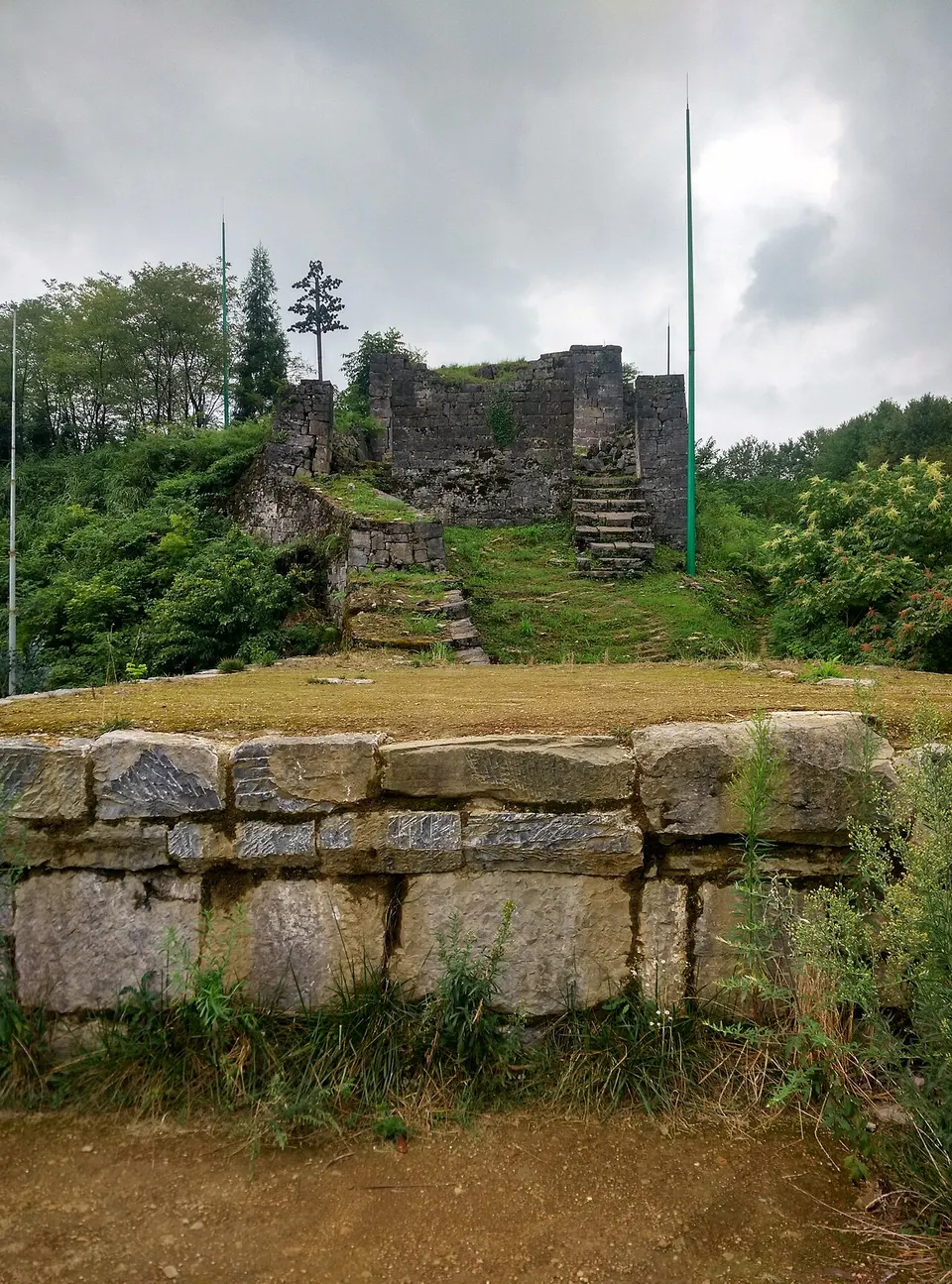
Zunyi's old centre holds the house where Communist Party leaders met in January 1935 during the Long March, the meeting the city is best known for. North of town the ruined Hailongtun fortress of the Yang tusi chiefs is one of China's UNESCO-listed Tusi Sites, while to the west the Chishui River flows past Maotai, home of Moutai baijiu, to the red cliffs, waterfalls and bamboo forests of Chishui Danxia.
What to eat in Zunyi
- Moutai baijiu (茅台酒)
Listed sites in Zunyi
34 sites in Zunyi are on the official lists. Those with a page of their own link to it; the rest open as cards on the map.
- Chishui Danxia 赤水丹霞 5A scenic area
Chishui is one of the six components of the "China Danxia" World Heritage site (inscribed 2010), a landscape of red sandstone cliffs, forested gorges and waterfalls around Chishui city. - Bing'an Ancient Town 丙安古镇 4A scenic area · on the map
Bing'an is an old river-trading town on the Chishui River, once a staging post for the boats that carried Sichuan salt into Guizhou, with timber stilt houses built along the steep riverbank, a stone town gate, a Qing-era towpath and an old bridge. - China Danxia Valley, Xishui 中国丹霞谷 4A scenic area · on the map
A forested river valley with red Danxia sandstone walls in Sancha River town, Xishui County. - China Liquor Culture City, Maotai 中国酒文化城 4A scenic area · on the map
The visitor complex of the Moutai distillery in Maotai town, the home of Moutai baijiu on the Chishui River. - Feilongzhai, Yuqing 飞龙寨 4A scenic area · on the map
A scenic area on the shore of Feilong Lake, a reservoir on the Wujiang River in Yuqing County, presented as a Miao village with local folk culture. - Four Crossings of the Chishui River Memorial Hall 四渡赤水纪念馆 4A scenic area
A memorial museum opened in 2007 in Tucheng town, telling the story of the Red Army's four crossings of the Chishui River between January and March 1935 during the Long March. - Gouba Conference Site 苟坝会议旧址 4A scenic area · National heritage site · on the map
Gouba is a village in Fengxiang town where the Red Army's headquarters stopped in March 1935 during the Long March. - Hailongtun 海龙屯 4A scenic area · National heritage site
The ruins of a mountain stronghold of the Yang family, the hereditary tusi (chiefs) of Bozhou, begun in 1257 under the Southern Song and destroyed when Ming forces took it in 1600. - Heart of the Tea Sea, Fenggang 茶海之心 4A scenic area · on the map
A large tea-growing landscape in Tianba village, Yong'an town, Fenggang County, at about 1,000 m, where tea bushes grow in bands among pine and other trees. - Hongguoshu Scenic Area 红果树 4A scenic area · on the map
Hongguoshu is a scenic area in Dalucao township, Suiyang county, that combines caves, a waterfall about 35 m high, forest and limestone rock formations, and is nicknamed the "geological museum of Guizhou" locally. - Little West Lake, Tongzi 小西湖 4A scenic area · on the map
A reservoir lake beside Tongzi town, formed in the 1940s together with the Tianmenhe hydropower station, with wooded hills around it. - Loushan Pass 娄山关 4A scenic area · on the map
A steep gateway pass through the Daloushan range between Zunyi and Tongzi, long a strategic crossing between Guizhou and Sichuan. - Maotai Liquor Town 茅台酒镇 4A scenic area
Maotai is the town on the Chishui River where Moutai baijiu is made: distilleries there date back to the early 19th century, and it became a river port in 1745 when Qing officials opened the Chishui to shipping. - Meitan Giant Teapot Tea Culture Park 天下第一壶茶文化博览园 4A scenic area · on the map
A tea-culture park in Meitan whose centrepiece is a teapot-shaped building 73.8 m high, certified in 2006 by a Shanghai record-keeping body as the world's largest teapot-shaped structure. - Meitan Tea Sea Eco-Park 湄潭茶海生态园 4A scenic area · on the map
A rural tea-tourism area around Hetaoba village, about 10 km from Meitan county town, where tea plantations surround a village of Qianbei-style houses whose carved window lattices bear small teapot motifs, echoing the Giant Teapot in the county town. - Peach Blossom Spring Scenic Area, Zheng'an 桃花源记 4A scenic area · on the map
A scenic area in Shiping township, Zheng'an County, themed on Tao Yuanming's classical essay about a hidden peach-blossom valley. - Qingxi Gorge 清溪峡 4A scenic area · on the map
Qingxi Gorge is a river gorge in Suiyang county, nicknamed a "jade belt" for the green of its water, and is sold as part of the Shierbeihou ("Twelve Behind") tourism area alongside Shuanghedong cave. - Shanping, Tongzi 杉坪 4A scenic area · on the map
A rural tourism area in Shanping village, Loushanguan subdistrict, south of Tongzi county town, developed as a farming-and-tourism demonstration project during China's poverty-alleviation campaign. - Shuanghedong Cave Network 双河洞 4A scenic area
Shuanghedong is a cave system in the dolomite hills of Suiyang county, explored to about 440 km, which Chinese sources describe as the longest cave in Asia and the third longest in the world. - Shuangmen Gorge 双门峡 4A scenic area · on the map
Shuangmen Gorge is a river-gorge scenic area in Fenghua town, Suiyang county, promoted as "China's Poetry Valley" and officially recognised as a national water-conservancy scenic area. - Shuiyin River Grand Canyon 水银河大峡谷 4A scenic area · on the map
A river canyon in Mugua town in northern Tongzi County, where the Shuiyin River runs through a gorge with more than ten large waterfalls and dozens of smaller ones. - Sidonggou Waterfalls 四洞沟 4A scenic area · on the map
Sidonggou is a valley of stepped waterfalls in the red-sandstone hills near Chishui, with four main falls strung along a route of about 5 km. - Taiyangping Azalea Hills, Hongguan 洪关太阳坪 4A scenic area · on the map
A hilltop scenic area at about 1,500 m in Hongguan Miao ethnic township, in the west of Bozhou district, known for slopes of wild azaleas that bloom in spring; the township holds an azalea festival in May. - Tucheng Old Town 土城古镇 4A scenic area · National heritage site
A former trading port on the Chishui River, where the Red Army fought a heavy battle in January 1935 and made its first crossing of the river. - Yelang Liquor Valley 夜郎酒谷 4A scenic area · on the map
Yelang Liquor Valley is a baijiu-themed tourist area in Renhuai's famous-liquor industrial park, in the Maotai area of Zunyi. - Yunmentun (Water Gate to Heaven), Sandu 云门囤 4A scenic area · on the map
A riverside scenic area at Sandu town in Zunyi's Xinpu New Area, covering about 8 sq km at the meeting point of three rivers. - Zheng'an Guitar Culture Park 正安吉他文化产业园 4A scenic area · on the map
A guitar-making and visitor park in Zheng'an County, where local figures cited in People's Daily say about one in seven of the world's guitars is made. - Zunyi Conference Site 遵义会议会址 4A scenic area · National heritage site
The former residence of a Guizhou army commander, a two-storey house of the early 1930s, where the Chinese Communist Party's Politburo held an enlarged meeting on 15–17 January 1935 during the Long March. - Former Site of Zhejiang University in Meitan 湄潭浙江大学旧址 National heritage site · on the map
In 1940 Zhejiang University, evacuated during the war with Japan, moved to Meitan under its president Zhu Kezhen, with more than 700 staff and students, and taught here until 1946. - Former Tianmenhe Hydropower Plant 天门河水电厂旧址 National heritage site · on the map
A wartime hydropower station in Tongzi county, begun in 1941 and generating from April 1945, built to power the Nationalist-run 41st Arsenal, which had moved here from several provinces during the war with Japan. - Jiangxi Guild Hall, Fuxing 复兴江西会馆 National heritage site · on the map
Built in 1831 by Jiangxi salt merchants in the old river port of Fuxing, this guild hall (also called Wanshou Palace) has a front hall, main hall, rear hall and side wings, and local authorities describe it as one of the largest and best-preserved guild halls in south-west China. - Manaoshan Fortified Camp 玛瑙山营盘遗址 National heritage site · on the map
Manaoshan is a hill stronghold in Fenggang county, built between 1857 and 1860 by a local militia leader, Qian Qingyun, as a refuge for his community during the uprisings and unrest that swept northern Guizhou in the mid-19th century. - Tomb of Deng Ping 邓萍墓 National heritage site · on the map
Deng Ping, chief of staff of the Red Army's Third Army Corps, was killed in February 1935 during the second capture of Zunyi; his tomb, built in 1958–59 and moved in 1984, stands in the Red Army martyrs' cemetery on Red Army Hill. - Yang Family Tusi Tombs (Yang Can Tomb) 杨氏土司墓群 National heritage site · on the map
Tombs of the Yang family, the hereditary tusi (local chiefs) who ruled the Bozhou region around Zunyi for centuries.
On the map
Open Zunyi on the illustrated map to see its outline, its places and listed sites together, and to add them to a trip.
Open Zunyi on the map