
 An illustrated travel map
Confucian temples and academies in China
Confucius was honoured in a temple in every county town of imperial China, where students sat the examinations that led to office. Qufu, his home town, keeps the largest temple, his family mansion and his forest cemetery; elsewhere there are county temples, the old academies (shuyuan) where scholars taught, and the examination halls.
- Places
- 191
- Regions
- 29
- Featured
- 13
- Group
- Belief and thought
Show them on the interactive map
Featured places
-
Dazu Rock Carvings 大足石刻
A cliffside storybook of Buddhist hells, mothers and thousand-armed Guanyin
-
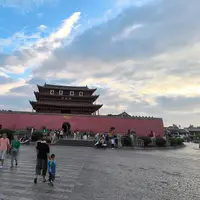
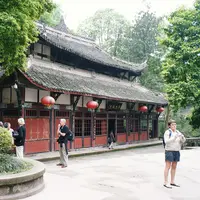
Jianshui Ancient Town 建水古城
A Ming gate tower, a great Confucian temple and grilled tofu on the way to Yuanyang
-
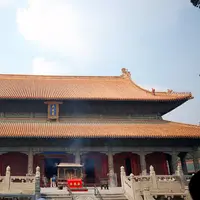
Qufu, Hometown of Confucius 曲阜三孔
The temple, mansion and forest cemetery of Confucius and his descendants
-
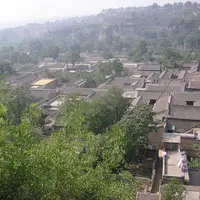
Hancheng Old Town and Dangjia Village 韩城古城·党家村
Ming temples in an old county town and a village of grey-brick Ming–Qing courtyard houses
-
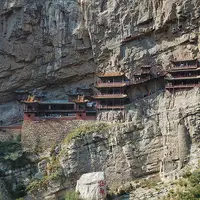
Hanging Temple 悬空寺
A wooden temple pinned to a sheer cliff, seemingly propped up on stilts
-
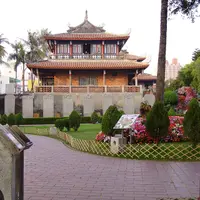
Tainan Old City and Anping 台南古城与安平
Dutch forts, old temples, lantern-lit lanes and a snack on every corner
-
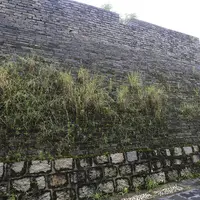
Ganzhou Old City Walls & Fushou Ditch 赣州古城墙与福寿沟
A walkable Song-dynasty city: river walls, a floating bridge and a 900-year drain
-
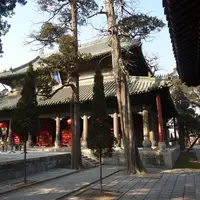
Temple and Mansion of Mencius, Zoucheng 孟庙孟府
The Second Sage's temple, family mansion and forest tomb, a quieter partner to Qufu
-
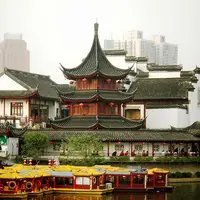
Fuzimiao and the Qinhuai River 夫子庙—秦淮风光带
Nanjing's lantern-lit Confucius Temple quarter, beside painted boats on the Qinhuai
-
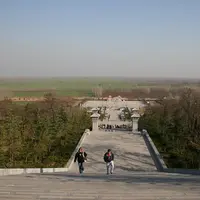
Mount Mangdang 芒砀山
Rock-cut royal tombs of the Western Han kings of Liang on a low plain-side hill
-
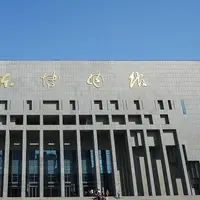
Shandong Museum 山东博物馆
The province's big museum: Confucius, Han reliefs, Buddhist statues and dinosaurs
-
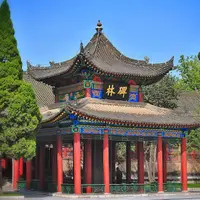
Forest of Stone Steles Museum 西安碑林博物馆
Inscribed stone tablets of classics, calligraphy and Silk Road history by the south wall
-
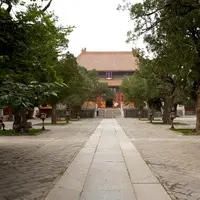
Temple of Confucius and Imperial Academy 孔庙和国子监
Courtyards of stone steles naming imperial exam graduates, beside the old Imperial Academy
By region
Shanxi (28) · Shandong (16) · Hunan (16) · Taiwan (16) · Henan (15) · Yunnan (10) · Fujian (9) · Sichuan (9) · Jiangsu (8) · Jiangxi (8) · Hebei (7) · Zhejiang (7) · Guizhou (5) · Shaanxi (5) · Anhui (4) · Guangdong (4) · Hainan (4) · Jilin (3) · Gansu (3) · Liaoning (2) · Shanghai (2) · Guangxi (2) · Qinghai (2) · Beijing (1) · Heilongjiang (1) · Chongqing (1) · Ningxia (1) · Xinjiang (1) · Hong Kong (1)
Shanxi 28 places
- Hanging Temple 悬空寺 4A scenic area · National heritage site
A wooden temple pinned to a sheer cliff, seemingly propped up on stilts - Daixian Confucian Temple 代县文庙 National heritage site
The Confucian temple of the former Daizhou prefecture, built mainly in the Ming dynasty and called by the Dai County government the largest surviving prefectural Confucian temple in North China. - Guanshan Academy 冠山书院 National heritage site · on the map
A traditional academy on wooded Guanshan hill west of Pingding town, the best known of several academies whose remains lie on the hill. - Guoyang Confucian Temple 崞阳文庙 National heritage site · on the map
The county Confucian temple of the former Guo County, whose seat was Guoyang town, founded in the Yuan dynasty and once covering nearly 20,000 m². - Hunyuan Confucian Temple 浑源文庙 National heritage site · on the map
The county's Confucian temple, founded before the Liao and Jin and rebuilt on a large scale in 1472, set on a north–south axis over about 15,580 m² in the old town of Hunyuan. - Jiangxian Confucian Temple 绛县文庙 National heritage site · on the map
Founded in 932 under the Later Tang, the Confucian temple in the middle of Jiang County town is now the county museum. - Jiangzhou Confucian Temple 绛州文庙 National heritage site · on the map
The surviving buildings of this Confucian temple in the north-east of Xinjiang town are a screen wall, a ceremonial pool, a stone gate of 1521 and the Dacheng Hall, a large hall rebuilt in 1448 with a surrounding veranda, a double-eaved hip-gable roof and glazed ridge ornaments. - Jingle Confucian Temple 静乐文庙 National heritage site · on the map
The Confucian temple of the former Jingle County, moved to its present site in the Ming dynasty and rebuilt in 1587, with two courtyards: the temple itself and the Censhan Academy. - Jingsheng Confucian Temple 静升文庙 National heritage site · on the map
A village Confucian temple founded in the 1330s under the Yuan, with its present buildings from the Qing, set out in three parallel strings of courtyards just north of Jingsheng's central crossroads. - Jinyuan Confucian Temple 晋源文庙 National heritage site
The Confucian temple of the Ming county town of Taiyuan, founded in 1373 and the only national-level monument inside the restored walled town of Jinyuan. - Jinzhuang Confucian Temple 金庄文庙 National heritage site · on the map
A three-courtyard Confucian temple of about 1,000 sq m in Jinzhuang village, first built in 1315 under the Yuan and rebuilt several times in the Ming and Qing. - Lizhuang Confucian Temple 李庄文庙 National heritage site · on the map
A village Confucian temple: a small compound facing south, with a Jin-dynasty main hall (Dacheng Hall) and a middle hall and side halls of the Qing period. - Nanzhao Confucian Temple 南召文庙 National heritage site · on the map
A Confucian temple in Nanzhao village, built in a single courtyard of about 900 sq m. - Pingyao Confucian Temple 平遥文庙 National heritage site
A Confucian temple in the south-east corner of Pingyao Ancient City whose Dacheng Hall dates from 1163 under the Jin dynasty, with later Ming and Qing buildings around it. - Qingyuan Confucian Temple 清源文庙 National heritage site · on the map
The Confucian temple of Qingxu, which the Taiyuan government calls the oldest surviving Confucian temple in the city, first built in 1203 under the Jin dynasty. - Sanjiao Hall, Sirun 寺润三教堂 National heritage site · on the map
A small temple to the "three teachings" of Buddhism, Daoism and Confucianism in Sirun village, of which only the main hall survives. - Sanjiao Hall, Yihe 义合三教堂 National heritage site · on the map
Yihe Sanjiao Hall is a village temple whose name means Three Teachings Hall; Changzhi Daily describes it as a folk-deity temple that brings Confucianism, Buddhism and Daoism together. - Taiyuan Confucian Temple 太原文庙 National heritage site
The Confucian temple of Taiyuan prefecture, rebuilt in 1882 by the governor Zhang Zhidong on part of the burnt-out Chongshan Temple site after a Fen River flood destroyed the earlier temple. - Wanquan Confucian Temple 万泉文庙 National heritage site · on the map
The Confucian temple of Wanquan, a former county town, where the Dacheng Hall enshrining Confucius was rebuilt in 1439 under the Ming. - Xiangling Confucian Temple 襄陵文庙 National heritage site · on the map
The Dacheng Hall of the Confucian temple at Xiangling is a large hall of the Yuan period, five bays wide and about 22 m across, with a hip-and-gable roof and twelve bracket sets under its long front architrave. - Xiangyuan Confucian Temple 襄垣文庙 National heritage site · on the map
Xiangyuan Confucian Temple is the surviving core of the county's old temple of Confucius, which was founded in the Jin dynasty and repaired in 1296 under the Yuan. - Xiaxian Confucian Temple 夏县文庙 National heritage site · on the map
The Dacheng Hall of Xiaxian's Confucian temple is the only building that survived the 1556 Jiajing earthquake, which destroyed the rest of the temple. - Xuansheng Temple, Shimo 石末宣圣庙 National heritage site · on the map
A Confucian temple in the middle of Shimo village, founded in 1304. - Xue Xuan Family Temple and Cemetery 薛瑄家庙及墓地 National heritage site · on the map
The family temple and cemetery of Xue Xuan (1389–1464), a Ming official and Neo-Confucian scholar from Hejin whose tablet was placed in the Confucian temple in 1572. - Yangcheng Confucian Temple 阳城文庙 National heritage site · on the map
Yangcheng Confucian Temple is a two-courtyard temple in the south-east of the old county town, first built in the Song, rebuilt in the Ming and repaired in 1839 after its main hall was destroyed in 1689. - Yonghe Confucian Temple 永和文庙 National heritage site · on the map
The Dacheng Hall of Yonghe's Confucian temple, a Ming-dynasty building in the old county town on Dongmen Lane off Zhenggou Street. - Zhangzi Confucian Temple 长子文庙 National heritage site · on the map
Zhangzi Confucian Temple is the county's old temple of Confucius, laid out in two courtyards along an axis of gate, Dacheng Hall and Minglun Hall. - Zuoquan Confucian Temple 左权文庙 National heritage site · on the map
The former Confucian temple of Liaozhou, now in the county town of Zuoquan, where the Dacheng Hall was rebuilt in 1297 under the Yuan and is the only original building left.
Shandong 16 places
- Qufu, Hometown of Confucius 曲阜三孔 5A scenic area · National heritage site · UNESCO World Heritage
The temple, mansion and forest cemetery of Confucius and his descendants - Temple and Mansion of Mencius, Zoucheng 孟庙孟府 4A scenic area · National heritage site
The Second Sage's temple, family mansion and forest tomb, a quieter partner to Qufu - Shandong Museum 山东博物馆 First-grade museum
The province's big museum: Confucius, Han reliefs, Buddhist statues and dinosaurs - Cemetery of Mencius' Mother 孟母林 National heritage site · on the map
A wooded family cemetery in Fu village, south of Qufu, where the parents of the philosopher Mencius and some of his descendants are buried. - Confucius Museum 孔子博物馆 First-grade museum
Opened in September 2019, this large Han-style museum designed by Wu Liangyong houses more than 700,000 objects, mostly from the Kong family mansion: some 300,000 mansion archives, thousands of Ming and Qing robes, ritual vessels and books. - Confucius Six Arts City 孔子六艺城 4A scenic area · on the map
A modern cultural leisure complex just south of Qufu's old town, built around Confucius's Six Arts: rites, music, archery, charioteering, calligraphy and mathematics. - Dongzi Garden 董子园 4A scenic area · on the map
Dongzi Garden is a riverside memorial park in Dezhou commemorating the Han-dynasty Confucian scholar Dong Zhongshu. - Former Qufu Normal School 曲阜师范学校旧址 National heritage site · on the map
Three groups of buildings from a former teacher-training school stand beside the Temple of Confucius: an early twentieth-century assembly hall, an H-shaped teaching block, and a Qing-dynasty examination hall of the former Yanzhou prefecture. - Juye Confucian Temple 巨野文庙 National heritage site
Juye Confucian Temple is a Ming-dynasty temple moved to its present site in 1383, of which only the Dacheng Hall survived the temple's closure in 1947. - Juye Museum 巨野县博物馆 First-grade museum · on the map
Juye's county museum moved in 2018 from the old Confucian temple to a five-storey building beside the People's Square, with eight galleries. - Mount Yi, Zoucheng 峄山 4A scenic area · on the map
A granite hill south of Zoucheng, known in ancient times as Dongshan, the "eastern mountain" that the Mencius says Confucius climbed. - Nishan Confucian Temple and Academy 尼山孔庙及书院 4A scenic area · National heritage site
A temple on Mount Ni, the hill traditionally held to be the birthplace of Confucius, with an academy beside it, set in the hills east of Qufu. - Temple of Yan Hui 颜庙 National heritage site
A temple to Yan Hui, the favourite disciple of Confucius, in the north of Qufu's old town; the buildings date from the Yuan to the Qing, with the present layout set in the Ming dynasty. - Temple of Zengzi 曾庙 National heritage site
The temple to Zeng Shen (Zengzi), a disciple of Confucius, at the foot of Nanwu Hill in southern Jiaxiang, whose founding is traditionally dated to 426 BC. - Yan Hui Temple and Yan Forest, Ningyang 宁阳颜子庙 4A scenic area · National heritage site · on the map
A memorial temple and family burial grove for Yan Hui (Yan Zi), Confucius's favourite disciple, who is venerated as the 'Restored Sage' (Fusheng). - Zoucheng Museum 邹城博物馆 First-grade museum · on the map
The museum of Mencius' hometown has two floors devoted to Mencius, his ideas and his later influence, and more than 120,000 objects in all.
Hunan 16 places
- Chongshi Academy, Xupu 溆浦崇实书院 National heritage site · on the map
A Qing-dynasty clan academy in the old village of Yanban, Longtan town, founded in 1834 as the Yanling family school of the Wu clan and renamed Chongshi Academy in 1855. - Dongshan Academy 东山书院 4A scenic area · National heritage site · on the map
A late-Qing academy at the foot of Dongtai Hill in Xiangxiang, founded in 1895 and finished in 1900, which in 1905 became a modern-style higher primary school; the young Mao Zedong was admitted in 1909, and the generals Chen Geng and Tan Zheng also studied here. - Dongshan Hill & Lingling Confucian and Martial Temples 东山·零陵文武双庙 4A scenic area · National heritage site · on the map
The wooded hill inside the old city of Lingling, opened as a park in 2018, which gathers several of Yongzhou's oldest buildings: the Confucian Temple, whose double-eaved great hall with yellow glazed tiles and dragon-carved marble columns dates from 1775, and the neighbouring Martial Temple, whose opera stage is used for performances. - Lianxi, Hometown of Zhou Dunyi 濂溪故里 4A scenic area · National heritage site · on the map
Loutian village in Qingtang town, Dao County, birthplace of the Northern Song philosopher Zhou Dunyi (1017–1073), a founder of Neo-Confucianism whose sobriquet Lianxi is the name of the stream at his home. - Liuyang Confucius Temple 浏阳文庙 National heritage site
A palace-style Confucian temple modelled on the one at Qufu, moved to this site in 1818 and rebuilt in 1843, with its gates, bell and drum pavilions and Dacheng Hall complete. - Lizhou Confucian Temple 澧州文庙 National heritage site · on the map
The temple of the former Lizhou prefectural school, founded in 965, moved to this site in the early Ming and rebuilt in 1841–1844, covering about 8,000 m². - Lujiang Academy 渌江书院 4A scenic area · National heritage site · on the map
A traditional academy in western Liling, founded in 1175 and moved to its present site in the Qing dynasty, with whose teaching the scholars Zhu Xi, Wang Yangming and Zuo Zongtang are all associated. - Meicheng Confucian and Martial Temples 梅城文武庙 National heritage site · on the map
Anhua's old Confucian temple and its neighbouring Martial Temple in Meicheng town, listed together in 2019. - Ningyuan Confucian Temple 宁远文庙 National heritage site · on the map
The county Confucian temple and school of Ningyuan, founded in the Tang and moved to this site in the south-west of the county town in 965, with the present buildings dating from a rebuilding of 1873–1882. - Qianzhou Old Town 乾州古城 4A scenic area · National heritage site · on the map
An old walled town on the Wanrong River in southern Jishou, the prefecture capital, with stone-paved lanes, old gates and a riverside street. - Shigu Academy 石鼓书院 4A scenic area · on the map
Shigu Academy stands on Shigu Hill, where the Zheng and Lei rivers join the Xiang in the north of Hengyang city. - Shimen Confucian Temple 石门文庙 National heritage site · on the map
The county Confucian temple of Shimen, founded in 1052 and moved in 1504 to this site near the north bank of the Li River, with most of its present buildings from Qing rebuilding. - Xiangyin Confucius Temple 湘阴文庙 National heritage site
Founded in the Northern Song and moved to this site in the early 1100s, Xiangyin's temple of Confucius lost many of its halls to Japanese bombing during the war against Japan, and a road cut through it in 1954 now separates the front court from the main buildings. - Yueyang Confucian Temple 岳阳文庙 National heritage site · on the map
Founded in 1046 by Teng Zijing, the prefect who rebuilt Yueyang Tower, the city's Confucian temple and school keeps its double-eaved Dacheng Hall, 16 m high, whose nanmu columns, lotus-carved column bases and beams are Song-dynasty work beneath a roof rebuilt in 1872. - Zhenyan Academy 箴言书院 4A scenic area · on the map
An academy founded by Hu Linyi, a Qing official and leader of the Xiang Army, and completed in the 1860s, which became a school in 1905 and was rebuilt on its original site in Heshan District, opening to the public on 31 December 2023. - Zhijiang Confucian Temple 芷江文庙 National heritage site · on the map
The former Confucian temple of Yuanzhou prefecture on Xiaobei Street in Zhijiang town, moved to its present site in 1859 and built in 1862–63.
Taiwan 16 places
- Tainan Old City and Anping 台南古城与安平
Dutch forts, old temples, lantern-lit lanes and a snack on every corner - Changhua Confucius Temple 彰化孔子庙
Changhua's Confucius Temple was founded in 1726 under the Qing and took its present layout in a major repair in the Daoguang era (1821 to 1850). - Changhua County Art Museum 彰化县立美术馆 on the map
This is the county art museum of Changhua, in a modern green-designed building with high ceilings at the corner of Dongmin Street and Guashan Road. - Chiayi Park 嘉义公园
A large urban park laid out in the early 1910s, with old trees, ponds and rock gardens in the east of Chiayi city. - Daodong Academy 道东书院 on the map
Daodong Academy in Hemei is a Qing-style academy and Wenchang temple begun in 1857. - Fongyi Tutorial Academy 凤仪书院 on the map
A Qing-era academy built in 1814 beside the Fengshan City God Temple, where students prepared for the imperial examinations. - Huangxi Academy 磺溪书院 on the map
A former academy in Dadu District, built in 1888 as an extension to the Wenchang Temple and taking boys from Dadu, Longjing and Wuri for basic schooling. - Jhen Wen Academy 振文书院 on the map
An academy and temple to the god of literature in Xiluo, built in 1797 and the only one of Yunlin's four great academies still standing. - Lotus Pond 莲池潭 on the map
A lake of about 42 hectares in Zuoying, long known for its lotus flowers and for the temples lining its western shore. - Mingxin Academy 明新书院 on the map
A small brick courtyard-style academy and temple in Jiji, started in 1883 using timber carried down by a flood of the Zhuoshui River. - Oxford College, Tamsui 理学堂大书院 on the map
A red-brick Western-style school building founded by the Canadian missionary George Mackay and completed in 1882, standing on the Aletheia University campus in Tamsui. - Pingtung Tutorial Academy 屏东书院 on the map
The academy was founded in 1814-15 in the Qing period to raise the level of local schooling, and later became a Confucius temple. - Taichung Confucian Temple 台中孔庙 on the map
A Confucian temple in North District, built between 1972 and 1976 in Song-dynasty style on the layout of the Confucian temple at Qufu. - Tainan Confucius Temple 台南孔子庙 on the map
A Confucian temple on Nanmen Road, first built in 1665 under Zheng Jing and known as the First Academy of Taiwan. - Taipei Confucius Temple 台北孔庙 on the map
A Confucian temple begun in 1927 in Dalongdong, built to the plan of the original temple at Qufu. - Xizhi Gongbei Temple 拱北殿 on the map
A Taoist temple on Sanxiu Mountain in Xizhi, founded in 1906 and dedicated mainly to Lü Dongbin, with Sakyamuni and Confucius also enshrined.
Henan 15 places
- Mount Mangdang 芒砀山 5A scenic area · National heritage site
Rock-cut royal tombs of the Western Han kings of Liang on a low plain-side hill - Dacheng Academy 大程书院 National heritage site · on the map
An academy founded in 1075 by the Neo-Confucian philosopher Cheng Hao while he was magistrate of Fugou, and named after him, the elder of the two Cheng brothers. - Daguan Stele, Xinxiang 新乡文庙大观圣作之碑 National heritage site · on the map
A stone stele of 1108 carrying Emperor Huizong's regulations for state schools, written out in his own slender 'thin gold' calligraphy under a six-character heading by the minister Cai Jing. - Henan Prefecture Confucian Temple 河南府文庙 National heritage site
The Confucian temple and prefectural school of old Henan Prefecture, in the south-east of Luoyang's Old Town, probably founded in the Jin or Yuan period and enlarged in the 1650s. - Hometown of the Two Chengs 两程故里 National heritage site · on the map
The village where the Northern Song Neo-Confucian philosopher Cheng Yi lived in later life, named the 'Hometown of the Two Chengs' by the Ming court in 1455 in honour of him and his brother Cheng Hao. - Huazhou Academy 花洲书院 4A scenic area · National heritage site
An academy founded in the 1040s by the statesman Fan Zhongyan while he was governor of Dengzhou, where he wrote his famous essay 'On Yueyang Tower'. - Jia County Confucian Temple 郏县文庙 National heritage site
A Confucian temple and county school founded in 1206 under the Jin dynasty and rebuilt many times, with 22 surviving buildings laid out with the school on the left and the temple on the right. - Nanle Confucian Temple 南乐文庙 4A scenic area · on the map
The Confucian temple of Nanle County town on South Street, a provincially protected monument whose surviving Qing buildings are the main Dacheng Hall and the Chongsheng Shrine to Confucius's ancestors. - Ruzhou Confucian Temple 汝州文庙 National heritage site · on the map
The Confucian temple and prefectural school of Ruzhou, converted in 1370 from a Yuan shrine and enlarged in 1811. - Songyang Academy 嵩阳书院 4A scenic area · National heritage site
One of the four great academies of the Northern Song, founded as a Buddhist temple in 484, later a Taoist temple and from 1035 a Confucian academy where the philosophers Cheng Hao and Cheng Yi taught. - Taikang Confucian Temple 太康文庙 National heritage site
The county Confucian temple of Taikang, founded in 1426, wrecked in the wars at the end of the Ming and repaired under the Qing. - Tomb of Han Yu 韩愈墓 National heritage site
The tomb of Han Yu (768–824), the Tang essayist, poet and Confucian thinker counted first of the Eight Great Prose Masters of the Tang and Song, on a hillside at Hanzhuang village west of Mengzhou. - Tombs of the Cheng Brothers (Cheng Brothers Culture Park) 二程文化园 4A scenic area · National heritage site · on the map
The cemetery of Cheng Hao (1032–1085) and Cheng Yi (1033–1107), the Northern Song brothers who founded the Neo-Confucian 'study of principle', and of their father Cheng Xiang, at the foot of Jing Hill on the west side of Yichuan town. - Xiangcheng Confucian Temple 襄城文庙 National heritage site
A county Confucian temple and school on Limin West Street in Xiangcheng, on this site since the Song and rebuilt many times. - Xiangetai (Confucius Memorial Terrace) 弦歌台 4A scenic area · National heritage site · on the map
A Confucian shrine on an island in a lake at the south-west corner of Huaiyang old town, built to recall how Confucius and his disciples were trapped without food between the states of Chen and Cai and he went on teaching and playing music.
Yunnan 10 places
- Jianshui Ancient Town 建水古城 4A scenic area · National heritage site
A Ming gate tower, a great Confucian temple and grilled tofu on the way to Yuanyang - Anning Confucian Temple 安宁文庙 National heritage site
Also called the Lianran Confucian Temple, it was founded in 1302 under the Yuan dynasty in what is now the old centre of Anning, and after Ming and Qing rebuilding it grew to 22 buildings arranged in seven successive sections. - Chuxiong Confucian Temple 楚雄文庙 National heritage site
Chuxiong's Confucian temple was founded in the Ming dynasty, and in the Qing the county and prefecture temples were combined on one site. - Jingdong Confucian Temple 景东文庙 4A scenic area · National heritage site · on the map
The Confucian temple of Jingdong, founded in 1442 under the Ming and moved and rebuilt several times since. - Mojiang Confucian Temple 墨江文庙 4A scenic area · National heritage site
The former Confucian temple of Talang sub-prefecture, begun in 1821 in Lianzhu, now the county town of Mojiang. - Shiping Confucian Temple 石屏文庙 National heritage site
Shiping's Confucian temple, founded in the Yuan dynasty and rebuilt in 1389, stands in the old town of a county long known for its scholars, among them Yuan Jiagu, the only Yunnanese to come first in an imperial examination (1903). - Shiyang Old Town 石羊古镇 4A scenic area · on the map
Shiyang, north-west of Dayao, is an old salt town, once the seat of the Baiyanjing salt administration, and has a salt-culture museum. - Tomb of Sayyid Ajjal Shams al-Din 赛典赤·赡思丁墓 National heritage site
The tomb of Sayyid Ajjal Shams al-Din Omar (1211–1279), a Muslim official from Bukhara whom Kublai Khan sent to Yunnan in 1274 as the Yuan dynasty's first provincial governor; he founded a new city on the site of modern Kunming, where he had a Confucian temple, a Buddhist temple and mosques built, and the admiral Zheng He was descended from him. - Wenchang Palace, Qiluo 绮罗文昌宫 National heritage site · on the map
This temple complex in Xia Qiluo village honours Wenchang, the god of literature and examinations, and blends the layout of a Confucian temple with a Taoist shrine. - Zhoucheng Confucian and Martial Temples 州城文庙和武庙 National heritage site
The Confucian temple of the old Binchuan prefectural school, founded in 1494 in Zhoucheng, Binchuan's former seat, with the town's Martial Temple beside it.
Fujian 9 places
- Anxi Confucian Temple 安溪文庙 National heritage site
A county Confucian temple founded in 1001 and rebuilt in 1686, set against Feng Hill in the centre of Anxi town and covering about 1.3 hectares. - Fuzhou Confucian Temple 福州文庙 National heritage site
The city's temple to Confucius, on a site that has held Fuzhou's government school since the Tang and its Confucian temple since the Song, rebuilt after a fire in 1851–52 and restored in the 2000s after decades as a school, a shopping arcade and a children's palace. - Jian'ou Confucian Temple 建瓯文庙 National heritage site
The former Confucian temple of Jianning prefecture, moved to this site in 1405 and rebuilt in its present form between 1869 and 1879. - Tomb of Zhu Xi 朱熹墓 National heritage site · on the map
The grave of Zhu Xi (1130–1200), the Southern Song philosopher whose commentaries on the Confucian classics shaped Neo-Confucianism and the imperial examinations for six centuries. - Xianyou Confucian Temple 仙游文庙 National heritage site
Founded in the Tang and moved to this site in 1002, Xianyou's Confucian temple was rebuilt after storm damage in 1678 and 1780 and restored again in 2006–09. - Yongchun Confucian Temple 永春文庙 National heritage site · on the map
The county Confucian temple of Yongchun, founded in the 1040s and rebuilt in 1785, on Taocheng Road in the county town. - Zhangpu Confucian Temple 漳浦文庙 National heritage site · on the map
Zhangpu's Confucian temple was founded in the Song dynasty and rebuilt in 1369, at the start of the Ming; only its Dacheng Hall survives. - Zhangzhou Confucian Temple 漳州府文庙 National heritage site · on the map
Founded in 1139 and rebuilt in 1482, Zhangzhou's prefectural Confucian temple keeps its ceremonial gate, Dacheng Gate, side halls, terrace and Dacheng Hall in a south-facing compound of about 2,600 m². - Zhu Xi Cultural Park 朱子文化园 4A scenic area · on the map
A park at the birthplace of the Neo-Confucian philosopher Zhu Xi, born here in 1130, on Gongshan hill on the south side of Youxi town.
Sichuan 9 places
- Deyang Confucian Temple 德阳文庙 National heritage site · on the map
Deyang's Confucian temple, one of the largest in Sichuan, covers about 28,000 m² in the city centre. - Fushun Confucian Temple 富顺文庙 4A scenic area · National heritage site · on the map
A Confucian temple in the centre of Fushun, founded in the Northern Song and rebuilt under later dynasties, laid out along a 160-metre axis from the semicircular pool and Lingxing Gate to the Dacheng Hall. - Mingshan Confucian Temple 名山文庙 National heritage site · on the map
A Qing-dynasty Confucian temple on top of Yuehua Hill in the town of Mingshan, moved to this site in 1841 and protected as a national heritage site since 2013. - Qianwei Confucius Temple 犍为文庙 National heritage site
A Confucian temple in Yujin, the county town of Qianwei, founded in the Northern Song and rebuilt several times, with buildings mainly of the Ming and Qing; it is one of the largest Confucian temples in Sichuan. - Qu County Confucian Temple 渠县文庙 National heritage site · on the map
Qu County's Confucian temple is a Qing-dynasty complex of three courtyards on a hillside above the Qu River, built in stages between 1663 and 1821 and fronted by a carved stone Lingxing Gate of 1794. - Wenfeng Mountain, Qu County 文峰山 4A scenic area · on the map
An open hillside park in Qu County town themed on local history and Confucian scholarship. - Xichong Confucian Temple 西充文庙 National heritage site · on the map
The former county Confucian temple of Xichong, built for the official cult of Confucius and the local state school, in the county town north-west of Nanchong. - Zhouzi Ancient Town, Peng'an 周子古镇 4A scenic area · on the map
A riverside town on the Jialing in Peng'an County, named in honour of the Song Neo-Confucian thinker Zhou Dunyi, who is said to have taught here; a shrine to him, a former Jiangxi guild hall and an old wharf survive among its lanes. - Zizhong Confucian and Guandi Temples 资中文庙和武庙 4A scenic area · National heritage site · on the map
Zizhong's Confucian temple and its temple to Guan Yu (Wumiao), both mainly Qing buildings, stand about 100 metres apart on Zhuangyuan Street in the old county town, an unusual pairing.
Jiangsu 8 places
- Fuzimiao and the Qinhuai River 夫子庙—秦淮风光带 5A scenic area
Nanjing's lantern-lit Confucius Temple quarter, beside painted boats on the Qinhuai - China Filial Piety Park 中华孝道园 4A scenic area · on the map
A themed park of about 860 mu (some 57 hectares) on the shore of Lake Tai at Xueyan, backed by the Lu'e hills and devoted to the Confucian virtue of filial piety. - China Imperial Examination Museum, Nanjing 南京中国科举博物馆 First-grade museum
The museum occupies the surviving core of the Jiangnan Examination Hall, the largest examination compound of imperial China, beside the Confucius Temple on the Qinhuai River. - Donglin Academy 东林书院 4A scenic area · National heritage site
A Confucian academy in central Wuxi founded in 1111, where the Song scholar Yang Shi taught, and revived in the early 1600s by Gu Xiancheng and Gao Panlong, whose circle of scholar-officials criticised court politics and became known as the Donglin faction. - Kongwang Mountain 孔望山 4A scenic area · National heritage site · on the map
A small hill on the southern edge of Haizhou, Lianyungang's old town, named after the story that Confucius climbed it to look out to sea. - Suzhou Confucian Temple (Stone Inscription Museum) 苏州文庙 National heritage site
Suzhou's Confucian temple and prefectural school, founded in 1035 by the statesman Fan Zhongyan, who joined temple and school in a pattern later copied across China; it now houses the Suzhou Stone Inscription Museum. - Yanzi Shrine, Changshu 言子祠 National heritage site · on the map
A shrine to Yan Yan (Ziyou), the disciple of Confucius who came from the southern state of Wu and was honoured as the 'Master of the South'. - Youzi Mountain 游子山 4A scenic area · on the map
A wooded range of low hills in eastern Gaochun, whose name ('the wanderer's mountain') comes from a tradition, recorded in a Song-dynasty gazetteer, that Confucius passed this way on his journey to the state of Chu.
Jiangxi 8 places
- Ganzhou Old City Walls & Fushou Ditch 赣州古城墙与福寿沟 National heritage site
A walkable Song-dynasty city: river walls, a floating bridge and a 900-year drain - Anfu Confucian Temple 安福孔庙 National heritage site · on the map
A Confucian temple and former county school, founded in 1081 under the Northern Song and moved to its present site in 1142; the buildings are mostly Qing, restored in 1863. - Bailuzhou Academy 白鹭洲书院 National heritage site
An academy founded in 1241 by the prefect Jiang Wanli on Bailuzhou, an island in the Gan River in the middle of Ji'an, where Wen Tianxiang studied. - China Jinshi Culture Park, Jishui 中国进士文化园 4A scenic area · on the map
A classical-style garden park of about 30 hectares on Nanmen Zhou, a peninsula in the Gan River at the southern edge of Jishui town, built around the China Jinshi Museum on the holders of the highest imperial examination degree. - Chinese Traditional Culture Park, Jing'an 中华传统文化园 4A scenic area · on the map
An antique-style cultural park of more than 2,000 mu (about 133 ha) in Baofeng town, built as a traditional-culture study base, where a city-gate opening ceremony and a Confucius ceremony were held in 2018. - Ehu Academy 鹅湖书院 4A scenic area · National heritage site
Ehu Academy stands at the foot of Mount Ehu on the spot where, in 1175, the philosophers Zhu Xi, Lu Zuqian, Lu Jiuyuan and Lu Jiuling held the debate known as the Ehu Meeting. - Wengong Mountain, Wuyuan 文公山 4A scenic area · on the map
Wengong Mountain is a wooded hill in the hills south-west of Wuyuan town, named after the Neo-Confucian philosopher Zhu Xi (posthumous title Wengong), whose family came from Wuyuan. - White Deer Grotto Academy 白鹿洞书院 National heritage site
A former Confucian academy in a wooded valley at the foot of Wulao Peak on the southern side of Mount Lushan, counted among the Four Great Academies of China.
Hebei 7 places
- Dingzhou Confucian Temple 定州文庙 National heritage site
One of the best-preserved Confucian temples in Hebei, founded in the Dazhong era of the Tang dynasty (mid-9th century) on the site of a Buddhist temple and enlarged under the Song, Ming and Qing. - Dingzhou Examination Hall 定州贡院 National heritage site
The Dingzhou Examination Hall, begun in 1738 and enlarged in 1834, is described as the most complete surviving imperial examination compound in northern China. - Dongzi Xue Village, Gucheng 董子学村 4A scenic area · on the map
A cultural-tourism village at Dongxue village, Fangzhuang town, where local tradition says the Western Han Confucian scholar Dong Zhongshu taught behind a lowered curtain, giving the village its old name Xiawei. - Jingzhong Mountain, Qianxi 景忠山 4A scenic area · on the map
A temple mountain about 610 m high in Qianxi, where Buddhist, Taoist and Confucian shrines stand in three clusters at the foot, middle and summit, joined by a stairway of 1,872 steps through pines more than 200 years old. - Pingxiang Confucian Temple 平乡文庙 National heritage site · on the map
The main hall of the Confucian temple of Pingxiang County, first built between 1008 and 1016 under the Northern Song and repaired seven times between the Song and the Qing. - Zhengding County Confucian Temple 正定县文庙 National heritage site
The county Confucian temple in Zhengding old town, whose main hall, the Dacheng Hall, is regarded as the oldest surviving Confucian temple hall in China. - Zhengding Prefectural Confucian Temple 正定府文庙 National heritage site
The surviving gate hall and flanking side rooms of the Confucian temple of Zhengding Prefecture, founded in 1070.
Zhejiang 7 places
- Cicheng Ancient Town 慈城古县城 4A scenic area · National heritage site
The walled seat of the old Cixi County until 1954, Cicheng was spared later redevelopment and keeps lanes of Ming and Qing mansions, guildhalls, memorial arches and wells. - Hangzhou Confucian Temple & Forest of Steles 杭州孔庙碑林 National heritage site
The former prefectural Confucian temple and school of Hangzhou on Fuxue Lane, of which only the Qing-dynasty Dacheng Hall survives, with a stele museum laid out around a water garden beside it. - Hangzhou Orient Culture Park 杭州东方文化园 4A scenic area · on the map
A large culture park opened in 2000 on the southern slopes of Yangqi Hill in Yiqiao, Xiaoshan, laid out on the eight trigrams and built around the three teachings of Confucianism, Buddhism and Daoism. - Kong Family Temple, Juxi 榉溪孔氏家庙 National heritage site · on the map
A family temple of descendants of Confucius in Juxi village, Panfeng township, Pan'an, where Kong Duangong, of the 48th generation, settled after following the Song court south in the late 1120s; Emperor Lizong ordered the temple built in 1254. - Temple of Southern Confucianism 孔氏南宗家庙 National heritage site
The family temple of the southern branch of Confucius's descendants, who followed the Song court south after the fall of Kaifeng in 1127 and were given a home in Quzhou; the temple has stood on its present site since 1520 and took its current form in a rebuilding of 1821–23. - Wang Yangming's Former Residence 王阳明故居 National heritage site
The birthplace in central Yuyao of Wang Shouren, better known as Wang Yangming (1472–1529), the Ming philosopher who brought the Confucian 'learning of the mind' to its fullest form. - Zhu Family Buildings, Chi'an 赤岸朱宅建筑群 National heritage site · on the map
A cluster of Zhu family buildings in Chi'an town, south-west of Yiwu, spanning several centuries: the Ming-dynasty Jianxu Hall, the Qing Liufang Hall, an official's mansion of the Guangxu era and side wings added in the Republican period.
Guizhou 5 places
- Anshun Confucius Temple 安顺文庙 National heritage site
A Confucian temple in the old centre of Anshun, founded in 1394 as the prefectural school temple and rebuilt many times since; only the stone carvings survive from the Ming, with most of the rest Qing or later. - Kongxuetang (Guiyang Confucius Academy) 孔学堂 4A scenic area · on the map
A Confucian academy and cultural complex in Han–Tang style, opened to the public in 2013 in the middle of the Huaxi National Urban Wetland Park. - Qinglongdong Ancient Architectural Complex 青龙洞 National heritage site
Qinglongdong (Qinglong Cave) is a group of Buddhist, Daoist and Confucian buildings built into a cliff of Zhonghe Mountain above the Wuyang River at the eastern end of Zhenyuan's old town, begun in 1388 and taking its present form by the early Qing. - Shiqian Prefectural Confucian Temple 石阡府文庙 National heritage site · on the map
Shiqian's prefectural Confucian temple was founded in 1413, the year Guizhou was made a province and Shiqian a prefecture, and was repaired in the 18th and 19th centuries. - Sitang Ancient Buildings, Sinan 思唐古建筑群 National heritage site · on the map
A group of Ming and Qing buildings along Anhua Street in Sinan county town, listed as a national heritage unit in 2006.
Shaanxi 5 places
- Hancheng Old Town and Dangjia Village 韩城古城·党家村 4A scenic area · National heritage site
Ming temples in an old county town and a village of grey-brick Ming–Qing courtyard houses - Forest of Stone Steles Museum 西安碑林博物馆 5A scenic area · National heritage site · First-grade museum
Inscribed stone tablets of classics, calligraphy and Silk Road history by the south wall - Heyang Confucian Temple 合阳文庙 National heritage site · on the map
The Confucian temple of Heyang county town, of which three main buildings survive: the five-bay Dacheng Hall, rebuilt in 1369, the Minglun Hall and the Zunjing Pavilion of 1610. - Xianyang Confucian Temple (Xianyang Museum) 咸阳文庙 National heritage site · First-grade museum
Xianyang's Confucian Temple, founded in 1371, has housed the city museum, now the Xianyang Museum, since 1962; its four courtyards combine the original Dacheng Hall and side galleries with Ming buildings moved here from other temples in 1963. - Yaozhou Confucian Temple 耀州文庙 National heritage site · on the map
Yaozhou's Confucian temple, founded in the Northern Song and rebuilt and repaired under the Yuan, Ming and Qing, keeps its Lingxing Gate, Ji Gate, side halls and a seven-bay Dacheng Hall whose roof frame preserves Jin and Yuan building features.
Anhui 4 places
- Jingde Confucian Temple 旌德文庙 National heritage site · on the map
Jingde's Confucian temple in the county town was founded under the Northern Song and repaired through the Yuan, Ming, Qing and Republican periods. - Shou County Confucius Temple 寿县孔庙 National heritage site · on the map
The Confucian temple of Shou County stands on West Street inside the walled old town, a complex of Ming and Qing buildings that includes the Dacheng Hall and a Kuixing Pavilion, with old ginkgo trees in its courtyards. - Tongcheng Confucian Temple 桐城文庙 National heritage site · on the map
The former county Confucian temple in the centre of Tongcheng, a town famed for the Tongcheng school of Qing-dynasty prose writers. - Zheng Ancestral Hall, Zhengcun 郑氏宗祠 National heritage site · on the map
The ancestral hall of the Zheng clan in Zhengcun town, founded in the Chenghua era (around 1466) in memory of the late-Yuan recluse and Neo-Confucian scholar Zheng Yu.
Guangdong 4 places
- Deqing Confucian Temple 德庆学宫 4A scenic area · National heritage site
Deqing's school-temple of Confucius, founded in 1011 and moved to this site in 1081; after a flood its main Dacheng Hall was rebuilt in 1297 and still stands. - Jieyang Confucian Temple 揭阳学宫 National heritage site · on the map
The county school and Confucian temple of Jieyang, founded in 1140 and given its present layout in a rebuilding of 1876–1881. - Suixi Confucius Culture City 遂溪孔子文化城 4A scenic area · on the map
A Confucian-themed park on Bangtang Ridge in Suixi county town, opened in 2016; its new Confucius temple, completed in 2017, replaces the county's old one, demolished in 1978. - Tuocheng Ancient Town 佗城 4A scenic area · on the map
The old seat of Longchuan County, founded in 214 BC by Zhao Tuo, Longchuan's first magistrate under the Qin and later ruler of the Nanyue kingdom, and the county's centre until 1949.
Hainan 4 places
- Dongpo Academy 东坡书院 4A scenic area · National heritage site
The site where the poet and official Su Dongpo (Su Shi), exiled to Hainan in the late 1090s, lived and taught in Danzhou; the academy that grew up around his Zaijiu Hall was rebuilt in the Ming and Qing dynasties, destroyed in the Cultural Revolution and restored in 1982. - Wenchang Confucian Temple 文昌学宫 National heritage site · on the map
The former county Confucian temple and school of Wenchang, founded in the Northern Song dynasty and moved to its present site in 1375, early in the Ming. - Xibei Academy 溪北书院 National heritage site · on the map
A Qing-dynasty academy begun in 1893 in Puqian town on the initiative of the calligrapher and scholar Pan Cun, with funding from the governor-general Zhang Zhidong, though Pan died just before it was finished. - Yacheng Academy 崖城学宫 National heritage site · on the map
The former Confucian school of Yazhou prefecture, founded in 1044 in the Northern Song dynasty, moved to this site in 1823 and repaired in 1872.
Jilin 3 places
- Changbai Mountain History and Culture Park 长白山历史文化园 4A scenic area · on the map
A themed cultural park beside the road to Changbai Mountain in Sihe village, Songjiang town, laid out as 'four gardens and one zone' and presenting Confucian, Buddhist and Daoist themes. - Changchun Confucius Cultural Park 长春孔子文化园 4A scenic area · on the map
A cultural park built around the Changchun Confucian Temple, founded in 1872, rebuilt from 2002 and enlarged in 2012, the year the park opened. - Jilin Confucian Temple 吉林文庙 National heritage site
A Qing-dynasty Confucian temple in the old centre of Jilin, first built in 1736 and moved to its present site in the early 1900s, one of the earliest the Qing built in the north-east.
Gansu 3 places
- Jingning Confucian Temple 静宁文庙 National heritage site · on the map
A Ming-dynasty state Confucian temple, rebuilt on its present site in the Jiajing reign, whose Lingxing Gate, semicircular pool, Dacheng Gate and seven-bay Dacheng Hall stand on a north–south axis, with the Minglun Hall of the old school to the west. - Qin'an Confucian Temple 秦安文庙 National heritage site · on the map
Qin'an's Confucian temple, founded before 1297, keeps a Ming-dynasty Dacheng Hall under a single-eaved hip-and-gable roof of glazed tiles, one of the better-preserved Ming timber buildings in Gansu. - Wuwei Confucius Temple 武威文庙 4A scenic area · National heritage site
Built in 1437–1439 and enlarged up to the Republican era, this is one of the largest Confucian temples in north-west China, laid out in three courts side by side: the Wenchang Palace to the east, the temple proper with its semicircular pool, Lingxing Gate, Dacheng Hall and Zunjing Library in the middle, and the old Confucian school to the west, with more than 30 steles from the Tang to the Qing.
Liaoning 2 places
- Shengshui Temple, Huludao 圣水寺 National heritage site · on the map
Shengshui Temple is a Qing-dynasty complex built in 1720 on the south slope of Zhenlianhua Mountain, combining Confucian, Buddhist and Taoist halls in one walled compound of about a hectare. - Yingang Academy 银冈书院 National heritage site · on the map
A Qing-period academy founded in 1658 by Hao Yu, a scholar exiled to Tieling, which later became a modern school; the compound has a gate, a two-courtyard layout with a lecture hall and a shrine to Hao Yu at the rear.
Shanghai 2 places
- Jiading Museum 嘉定博物馆 First-grade museum
Founded in 1959, Jiading's district museum has had a new main building on Bole Road since 2013 and also runs three sites in the old town: the Confucian Temple, which includes the Shanghai Imperial Examination Museum, the Fahua Pagoda with rooms on Gu Weijun and Hu Juewen, and the Bamboo Carving Museum on South Street. - Jiading Old Town (Zhouqiao) 嘉定州桥 4A scenic area · National heritage site · on the map
The historic core of Jiading, a county town since 1217, where canals and old streets around the Zhouqiao bridge lead to the Southern Song Fahua Pagoda, the Ming garden Qiuxia Pu and Huilongtan Park.
Guangxi 2 places
- Gongcheng Temples and Guild Halls 恭城古建筑群 4A scenic area · National heritage site
A group of Ming and Qing buildings in Gongcheng town. - Liuzhou Confucian Temple 柳州文庙 4A scenic area · on the map
A modern reconstruction of Liuzhou's Confucian temple, first founded in the early Tang dynasty, standing on the east bank of the Liu River below Dengtai Hill.
Qinghai 2 places
- Guide Confucian Temple and Yuhuang Pavilion 贵德文庙及玉皇阁 National heritage site
This is a cluster of temples in Guide's old town, begun in 1592 under the Ming and mostly rebuilt in the late 19th century under the Qing, with a Confucian temple, a literary courtyard, the Yuhuang (Jade Emperor) Pavilion, a Guan–Yue (war god) temple and a City God temple side by side. - Wenchang Temple, Guide 文昌庙 National heritage site · on the map
Wenchang Temple is a Qing-dynasty temple of Wenchang, the god of literature and examinations, in Xiapai village, Hexi, on the Yellow River plain west of Guide town.
Beijing 1 place
- Temple of Confucius and Imperial Academy 孔庙和国子监 4A scenic area · National heritage site
Courtyards of stone steles naming imperial exam graduates, beside the old Imperial Academy
Heilongjiang 1 place
- Harbin Confucius Temple 哈尔滨文庙 National heritage site · First-grade museum
A Qing-style temple complex built in 1926–29, described as the largest Confucian temple in north-east China, laid out along a central axis from a pool and the Lingxing Gate to the Dacheng Hall and the Chongsheng Shrine.
Chongqing 1 place
- Dazu Rock Carvings 大足石刻 5A scenic area · National heritage site · UNESCO World Heritage
A cliffside storybook of Buddhist hells, mothers and thousand-armed Guanyin
Ningxia 1 place
- Gao Temple, Zhongwei 中卫高庙 National heritage site
A temple complex in central Zhongwei that brings Buddhist, Taoist and Confucian halls together on terraces rising from the gate to a three-storey main tower 29 m high.
Xinjiang 1 place
- Ürümqi Confucius Temple 乌鲁木齐文庙 National heritage site
The Ürümqi Confucius Temple, on Qianjin Road in central Ürümqi, is described as Xinjiang's only surviving Confucian temple and its only intact temple complex in late-Qing style.
Hong Kong 1 place
- Yi Tai Study Hall 二帝书院 Declared monument
Yi Tai Study Hall in Shui Tau Village, Kam Tin, was built in the Daoguang reign (1821–1850) by 16 local scholar-gentry to house statues of Man Cheong, god of literature, and Kwan Tai, god of martial arts, which had been worshipped in a nearby pagoda.
Who is in: Confucian temples, academies and examination halls on the atlas, most of them on the national heritage list. A first list was drawn up by rules on each place's name, description and official class, then checked by hand; updated 2026-11-05. More in belief and thought: Buddhist · Taoist · Islamic · Churches. All themes.
Cite this page
- APA
- Atlas of China. (2026, November 5). Confucian temples and academies in China: 191 places on a map. https://www.atlasofchina.com/themes/confucianism/
- MLA
- “Confucian temples and academies in China: 191 places on a map.” Atlas of China, 5 Nov. 2026, www.atlasofchina.com/themes/confucianism/.